10 Revolutionary Tips for Mastering Marketing Automation in 2026
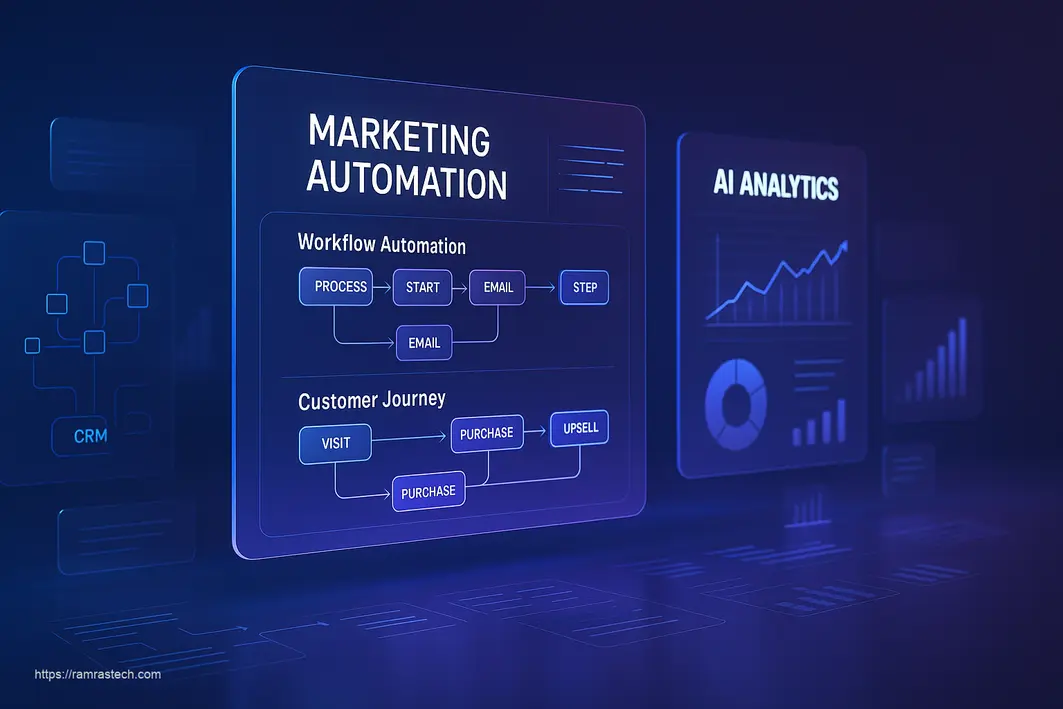
In today’s rapidly evolving digital landscape, marketing automation has transformed from a nice-to-have tool to an essential component of successful marketing strategies. As we move through 2026, the pressure to deliver hyper-personalized customer experiences while maintaining efficiency has made mastering marketing automation more critical than ever. Whether you’re just starting your automation journey or looking to refine your existing processes, these revolutionary marketing automation tips will help you stay ahead in this dynamic environment.
The marketing technology landscape has expanded dramatically, with AI-driven solutions now enabling capabilities that seemed like science fiction just a few years ago. The most successful marketers aren’t just using automation—they’re strategically integrating it into every aspect of their marketing ecosystem to drive unprecedented results.
What is Marketing Automation and Why Does it Matter in 2026?
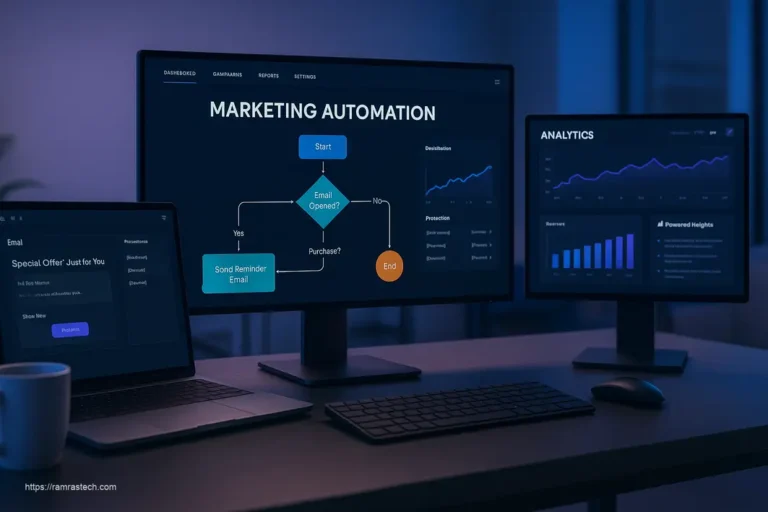
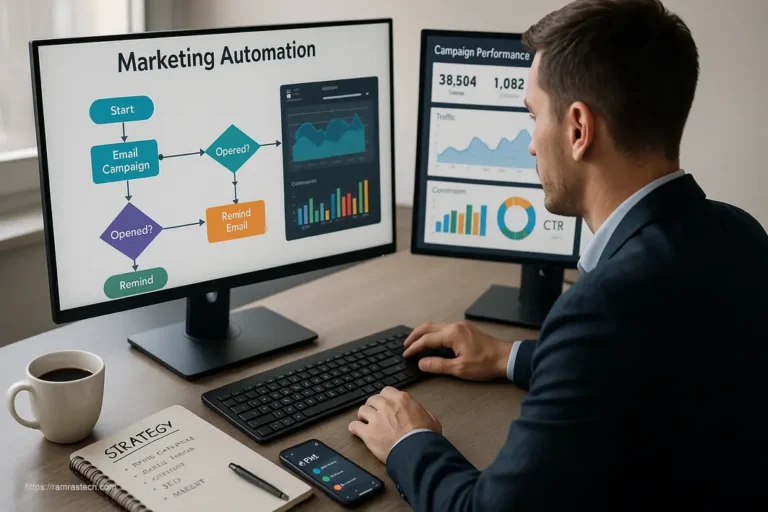
Marketing automation uses specialized software platforms to streamline, execute, and measure marketing tasks and workflows that would otherwise require manual effort. In 2026, it has evolved beyond simple email sequences to encompass sophisticated, AI-driven customer journeys across multiple touchpoints.
The importance of marketing automation can’t be overstated in today’s hyper-competitive marketplace. It empowers businesses to:
- Free up valuable human resources for strategic thinking and creative tasks
- Improve campaign precision through data-driven decisions
- Enable scalable personalization without proportional increases in staffing
- Maintain consistent customer experiences across all channels
- Measure and optimize marketing ROI with greater accuracy
What’s changed in 2026 is the shift from mere automation to intelligent alignment—where technology seamlessly integrates with human creativity to deliver experiences that feel authentic rather than automated. The focus now is on ethical data practices and using AI not as a replacement but as an enhancement to human marketing teams.
10 Revolutionary Tips for Mastering Marketing Automation in 2026
1. Embrace the Latest Automation Tools with Strategic Intent
The marketing automation landscape of 2026 offers an unprecedented array of AI-driven campaign management tools, omnichannel orchestration platforms, and dynamic segmentation capabilities that were unimaginable just a few years ago.
Next-generation platforms like the advanced versions of HubSpot and Salesforce Marketing Cloud now come with embedded AI “autopilots” that can autonomously optimize campaigns based on real-time performance data. These tools don’t just execute your marketing plans—they actively improve them.
However, tool selection should be strategic, not impulsive. Before investing in new marketing automation technology, ask yourself:
- What specific marketing challenges am I trying to solve?
- How will this tool integrate with my existing tech stack?
- Does the platform offer scalability as my business grows?
- What level of customization is available to match my specific business needs?
Early adoption of cutting-edge automation tools can provide a significant competitive advantage, but only when implemented with clear objectives and integrated thoughtfully into your overall marketing strategy.
2. Streamline Workflow Optimization for Maximum Efficiency
In 2026, the most advanced marketing automation platforms don’t just follow static workflows—they actively reorganize and optimize them in real-time. These intelligent systems analyze campaign performance continuously and reallocate resources to maximize results.
To leverage this capability effectively:
- Map your current marketing workflows in detail before automation
- Identify and eliminate redundant steps and bottlenecks
- Design workflows with flexibility to adapt based on performance data
- Implement gradual automation, starting with the most repetitive tasks
- Regularly review automated workflows to ensure they remain optimized
One of our clients in the e-commerce space reduced campaign launch time by 73% after implementing AI-powered workflow optimization. The system automatically redistributed design and approval tasks based on team capacity and deadline proximity, enabling faster go-to-market execution while maintaining quality standards.
3. Integrate CRM Software with Marketing Automation for a Unified View
The synergy between CRM and marketing automation systems represents one of the most powerful opportunities for marketing effectiveness in 2026. This deep integration provides a unified customer view, improves data management, and enables precise segmentation for truly personalized messaging.
A seamless CRM-automation integration allows you to:
- Track the complete customer journey from first touch to purchase and beyond
- Develop enhanced lead scoring models based on comprehensive behavioral data
- Improve sales and marketing alignment with shared insights
- Create triggered campaigns based on CRM status changes
- Make data-driven decisions with confidence
Modern integration approaches have moved beyond simple API connections to real-time data synchronization. Our guide to marketing automation tools explores how these platforms can work together to create a cohesive marketing technology ecosystem.
4. Enhance Lead Nurturing Processes with Behavioral Triggers
Automated, multi-step lead nurturing campaigns that map to individual customer journeys are now a standard expectation for effective marketing. In 2026, these nurturing sequences have become increasingly sophisticated, delivering precisely timed, relevant content at every stage of the buyer’s journey.
The most effective lead nurturing automation includes:
- Behavioral triggers that respond to specific user actions
- Predictive content selection based on engagement patterns
- Personalized follow-ups that reference previous interactions
- Multi-channel coordination across email, social, SMS, and web experiences
- Automated lead scoring adjustments based on engagement
One healthcare technology company we worked with saw a 215% increase in qualified leads after implementing a behavior-based nurturing program that automatically adapted content based on each prospect’s demonstrated interests and engagement patterns.
5. Design Hyper-Personalized Automated Campaigns
Personalization has evolved dramatically in 2026. Today’s AI systems analyze thousands of data points to deliver truly “hyper-personalized” content at enterprise scale, making every message feel individually crafted despite being automated.
To achieve this level of personalization:
- Implement click segmentation to create behavior-based audience groups
- Utilize dynamic content blocks that adapt based on user attributes and actions
- Create adaptive workflows that respond to changing user preferences
- Develop content modules that can be mixed and matched by AI for individual users
- Balance personalization with privacy through transparent data practices
“The most effective personalization today feels intuitive rather than invasive,” notes digital marketing expert Maya Hernandez. “It’s about anticipating needs based on contextual clues, not just tracking behavior.”
The shift toward first-party data strategies has made marketing automation an even more crucial component of engagement strategies, as companies need to maximize value from their owned customer data.
6. Monitor and Analyze Campaign Performance with Automated Intelligence
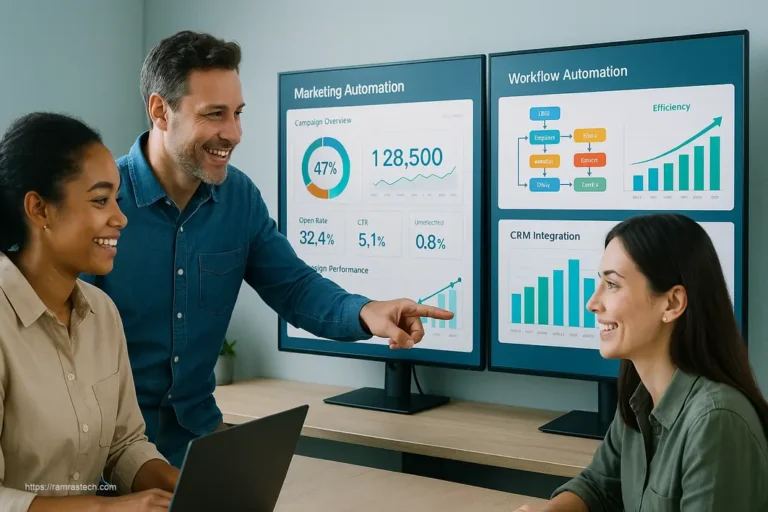
The real-time analytics capabilities of modern marketing automation platforms have transformed how we understand campaign performance. These systems now automatically track key performance indicators, run multivariate tests, and apply learnings without requiring manual intervention.
To leverage automated analytics effectively:
- Set up custom dashboards that highlight your most critical metrics
- Configure automated alerts for significant performance changes
- Implement continuous A/B testing with AI-optimized variant selection
- Use predictive analytics to forecast campaign outcomes
- Establish regular performance review sessions to interpret automated insights
Automated reporting now identifies winning strategies and detects underperforming segments instantly, supporting data-driven improvement. This capability has become particularly valuable as marketing channels proliferate and consumer behavior becomes more complex.
7. Implement Advanced AI and Machine Learning for Predictive Marketing
AI has evolved from a support tool to a campaign orchestrator in 2026’s marketing landscape. Today’s machine learning models predict customer behaviors with remarkable accuracy, optimize content delivery timing, and personalize messaging at scale.
The most impactful AI applications in marketing automation now include:
- Predictive lead scoring that identifies high-potential prospects earlier
- Content recommendation engines that suggest the next best content offer
- Sentiment analysis that gauges emotional responses to messaging
- Campaign optimization algorithms that reallocate budget in real-time
- Natural language generation for creating personalized content variations
“AI doesn’t replace the marketer—it amplifies their capabilities,” explains Dr. Rajiv Patel, AI strategist. “The most successful teams use AI to handle pattern recognition and optimization while humans focus on strategy and creative direction.”
AI-powered marketing automation has made sophisticated digital marketing strategies accessible to companies of all sizes, democratizing capabilities that were once limited to enterprise organizations.
8. Foster Team Collaboration through Integrated Automation Tools
The collaborative capabilities of marketing automation platforms have expanded significantly in 2026. Today’s systems offer collaborative dashboards, chat integrations, and shared workflow management that enable marketing teams to coordinate more effectively across functions and geographies.
To maximize team collaboration through automation:
- Establish clear roles and permissions within your automation platform
- Create shared asset libraries with version control
- Implement approval workflows that maintain brand consistency
- Use collaborative planning tools for campaign coordination
- Develop shared performance dashboards for team alignment
This shift has transformed marketers from executors of separate tasks into orchestrators who oversee intelligent systems. Teams now spend less time on coordination and more time on creative problem-solving and strategy development.
9. Maintain Rigorous Data Security and Compliance Standards
As marketing automation platforms collect and process increasingly detailed first-party data, data privacy, security, and compliance have become critical concerns. The regulatory landscape continues to evolve, with new privacy frameworks emerging globally.
To ensure your automation practices remain compliant:
- Implement transparent consent processes that clearly communicate how data will be used
- Establish rigorous access controls for sensitive customer information
- Regularly audit automated processes for compliance with evolving regulations
- Develop data minimization practices that limit collection to essential information
- Create documented policies for data retention and deletion
“Trust is the new currency in marketing,” says privacy expert Elena Kowalski. “Brands that demonstrate responsible data stewardship through their automation practices build stronger customer relationships.”
Many organizations now employ dedicated marketing compliance specialists who work alongside automation teams to ensure all automated campaigns meet legal and ethical standards.
10. Continuously Innovate and Adapt Your Automation Strategy
Perhaps the most important marketing automation tip for 2026 is to embrace a mindset of continuous innovation. The pace of technological change continues to accelerate, with new capabilities emerging regularly.
To stay ahead of the curve:
- Regularly evaluate your automation stack against emerging solutions
- Allocate resources for experimentation with new automation approaches
- Develop a testing framework for piloting innovative capabilities
- Create feedback loops between customer insights and automation strategy
- Foster a culture of learning and adaptation
Forward-thinking organizations now explore emerging technologies like AR-driven content delivery, voice search optimization, and real-time predictive analytics as part of their automation strategy. The goal isn’t to chase every new trend but to thoughtfully evaluate which innovations align with your marketing objectives.
Bringing It All Together: The Future of Marketing Automation
These ten revolutionary marketing automation tips position your marketing team for success in 2026’s complex, fast-evolving landscape. By embracing advanced tools, AI-powered personalization, ethical data practices, and a culture of continuous improvement, your brand can thrive as marketing automation becomes not just a tool but a source of strategic advantage.
The most successful organizations in 2026 don’t view automation as a replacement for human creativity but as an amplifier that allows marketing teams to focus on strategy, innovation, and authentic connection. As automation handles increasingly sophisticated tactical execution, marketers are free to concentrate on the uniquely human elements of brand building and storytelling.
Frequently Asked Questions About Marketing Automation in 2026
How has marketing automation changed since 2023?
Marketing automation has evolved from basic task automation to intelligent marketing orchestration. The key differences include AI moving from assistive to directive roles, deeper integration between platforms, more sophisticated personalization capabilities, and increased emphasis on privacy-compliant first-party data strategies.
What skills do marketers need to master marketing automation in 2026?
Today’s marketers need a blend of technical and strategic skills to leverage automation effectively. These include data analysis capabilities, an understanding of customer journey mapping, basic knowledge of AI principles, strategic thinking, and strong collaborative abilities to work with both technology and creative teams.
How do small businesses compete with enterprise automation capabilities?
The democratization of marketing technology has made sophisticated automation accessible to businesses of all sizes. Small companies can leverage cloud-based platforms with AI capabilities, focus on specific high-value use cases, and utilize affordable marketing automation solutions designed specifically for growing businesses.
What metrics should I track to measure marketing automation success?
The most valuable metrics for evaluating automation effectiveness include conversion rate improvements, customer lifetime value changes, campaign ROI, time-to-execution reductions, and engagement metrics across automated touchpoints. The specific KPIs should align with your business objectives and marketing strategy.
How do I balance automation with authentic customer connections?
Successful brands use automation to enhance rather than replace human connections. This means designing automated touchpoints that feel conversational rather than robotic, creating opportunities for genuine human interaction at critical moments, and using automation to identify when personal outreach will be most valuable.
Marketing automation continues to evolve at a rapid pace, transforming how brands connect with customers and manage marketing operations. By implementing these revolutionary tips, you’ll be well-positioned to leverage automation as a competitive advantage in 2026 and beyond. The future belongs to marketers who can skillfully blend technology and human creativity to create meaningful, personalized experiences at scale.