Harness the Power of Social Media Marketing: 6 Must-Try Techniques for 2026

In a digital world that never stops evolving, staying ahead of the curve with your social media marketing techniques isn’t just smart—it’s essential. As we look toward 2026, brands that inspire and truly connect with their audiences will be those embracing innovation while maintaining authenticity. Whether you’re a seasoned marketer or just beginning to navigate the complex social landscape, these six game-changing approaches will revolutionize how you engage with your audience and drive meaningful results.
Ready to transform your social media presence from merely existing to genuinely thriving? Let’s dive into the social media marketing techniques that will define success in 2026.
1. Content Creation that Captivates and Converts
In 2026, the battle for attention will be fiercer than ever. With users scrolling through miles of content daily, your social media marketing strategy needs to prioritize content that instantly captivates.
The Art of Scroll-Stopping Content
Creating “scroll-stopping” content isn’t about loud gimmicks—it’s about understanding the perfect intersection of relevance, timing, and creativity. Brands succeeding in 2026 will master the micro-story—conveying compelling narratives even in 15-second formats.
“Content that resonates doesn’t just entertain—it creates an emotional connection that makes viewers pause their scroll,” explains social media expert Maya Rodriguez. “In 2026, we’re seeing brands achieve this by leading with curiosity gaps and unexpected visuals that demand attention.”
Successful brands are embracing a multi-format approach, blending:
- Short-form vertical videos (15-30 seconds) that hook viewers instantly
- Serialized content that builds anticipation and brings audiences back
- Live and interactive elements that foster real-time community
- User-generated content that adds authenticity and diversity of perspective
Emerging Content Trends to Implement Now
The most effective social media marketing techniques for content creation in 2026 include:
-
Video-First Across All Platforms: Even traditionally text or image-based platforms have pivoted to prioritize video content. Brands creating platform-specific video assets (not recycled content) see significantly higher engagement.
-
AR Integration: Augmented reality features have evolved from novelty to necessity, particularly for product discovery. Beauty brands leading with AR try-ons are seeing conversion rates jump by 30-45% compared to static imagery.
-
Social Search Optimization: With more users searching directly on social platforms instead of Google, successful content answers questions directly and incorporates keywords not just in captions but in spoken dialogue for video content.
The most successful content strategies aren’t created in isolation. They’re informed by comprehensive digital marketing strategies that consider the entire customer journey.
2. Embrace Social Listening for Strategic Advantage
In the noisy world of social media, true competitive advantage comes not just from speaking but from systematic listening. Social listening—actively monitoring conversations to surface audience insights—has evolved from a nice-to-have to a non-negotiable element of effective social media marketing techniques.
Beyond Basic Monitoring
The social listening landscape of 2026 goes far beyond tracking mentions and comments. Today’s sophisticated tools analyze sentiment, identify emerging trends, and provide competitive intelligence in real-time.
“Brands that invest in robust social listening have a 3.5x faster response time to emerging trends and customer issues,” notes social intelligence platform Brandwatch in their 2026 Digital Consumer Intelligence Report. “This translates directly to improved customer satisfaction scores and higher retention rates.”
Forward-thinking brands use listening data to:
- Spot micro-trends before they go mainstream
- Identify pain points in customer experience
- Discover new use cases for their products
- Monitor competitor positioning and messaging shifts
- Track changing vocabulary around their industry
Actionable Listening Techniques
Implementing effective listening requires more than just the right tools—it demands a process for turning insights into action:
-
Define Clear Listening Objectives: Are you tracking brand health, competitive intelligence, or product feedback? Each requires different parameters.
-
Go Beyond Direct Mentions: Monitor thematic conversations and adjacent topics where your audience participates.
-
Establish Cross-Functional Response Protocols: Ensure insights reach the right teams—product development, customer service, or content creators.
-
Measure Content Performance Through the Lens of Listening: Track which messages and formats drive meaningful engagement based on listening data.
Brands like Spotify exemplify this approach, using social listening to identify music trends and listener emotions, then creating highly personalized year-end campaigns that drive massive engagement and sharing.
Integrating social listening with marketing automation strategies can help scale your response to insights while maintaining personalization.
3. Influencer Collaboration for Authentic Reach
By 2026, influencer marketing has evolved dramatically from its celebrity endorsement roots to become a sophisticated, community-driven strategy centered on authentic connection and expertise.
The Micro-Influencer Revolution
While mega-influencers still have their place, the most effective social media marketing techniques now involve partnerships with micro-influencers (10,000-50,000 followers) who deliver:
- 4.5x higher engagement rates than celebrity accounts
- 82% stronger audience trust scores
- 37% better conversion rates on product recommendations
“Micro-influencers represent the perfect balance of reach and resonance,” explains influencer marketing strategist James Chen. “Their audiences trust them implicitly because they’ve built communities around specific interests, not generalized fame.”
The most successful brands in 2026 treat influencers not as mere promotional channels but as creative partners and audience interpreters.
Building Authentic Influencer Partnerships
To implement this social media marketing technique effectively:
-
Prioritize Value Alignment Over Follower Count: Select partners whose authentic interests and audience demographics truly match your brand positioning.
-
Develop Long-Term Relationships: Rather than one-off sponsored posts, create ongoing collaborations that allow influencers to genuinely integrate your products into their lifestyle.
-
Empower Creative Freedom: The most successful influencer content maintains the creator’s unique voice and presentation style—excessive brand constraints reduce authenticity and engagement.
-
Track Beyond Surface Metrics: Look past likes and comments to measure saved content, shares, and actual conversion activity.
Beauty brand Glossier exemplifies this approach, building its entire growth strategy around micro-influencers and user-generated content rather than traditional advertising, resulting in a community of intensely loyal customers who actively promote the brand.
Influencer partnerships work exceptionally well when integrated with content marketing strategies that provide value beyond product promotion.
4. Enhance Audience Engagement Through Interactive Experiences
In 2026, passive content consumption is giving way to interactive experiences that transform audience members from spectators to participants. This shift represents one of the most powerful social media marketing techniques for building genuine connection.
From Viewers to Participants
The most successful brands have recognized that engagement metrics matter far more than follower counts. Real engagement—the kind that builds community and drives action—comes from interactive content that invites participation.
“Interactive content generates 2x more conversions than passive content,” reports the Content Marketing Institute in their 2026 Engagement Index. “When users actively participate rather than passively consume, their brand recall and purchase intent increase significantly.”
Engaging experiences that drive results include:
- Live shopping events where viewers can ask questions and purchase in real-time
- Interactive polls and quizzes that provide personalized recommendations
- Community challenges that encourage user-generated content creation
- AR filters and experiences that allow virtual product try-on
- Behind-the-scenes access through Stories and close friends features
Building Your Engagement Ecosystem
To implement this social media marketing technique effectively:
-
Design Content for Interaction, Not Just Consumption: Every post should include an element that invites participation—whether that’s a question, poll, or call to action.
-
Create Private Community Spaces: Exclusive groups, Discord servers, or Instagram Close Friends provide VIP experiences that foster deeper connection.
-
Respond Authentically and Promptly: Engagement is a two-way street—brands that acknowledge and respond to participation see 3.5x higher repeat engagement rates.
-
Gamify the Experience: Incorporate elements like challenges, levels, or rewards to make participation more compelling.
Fitness brand Peloton masterfully uses this approach, building a community where members motivate each other, celebrate achievements, and participate in challenges—creating a powerful engagement ecosystem that extends far beyond their core product.
Enhancing user experience is vital for maintaining engagement. Consider incorporating lessons from website design principles to improve your social media interfaces and landing pages.
5. Leverage Social Analytics for Data-Driven Decision Making
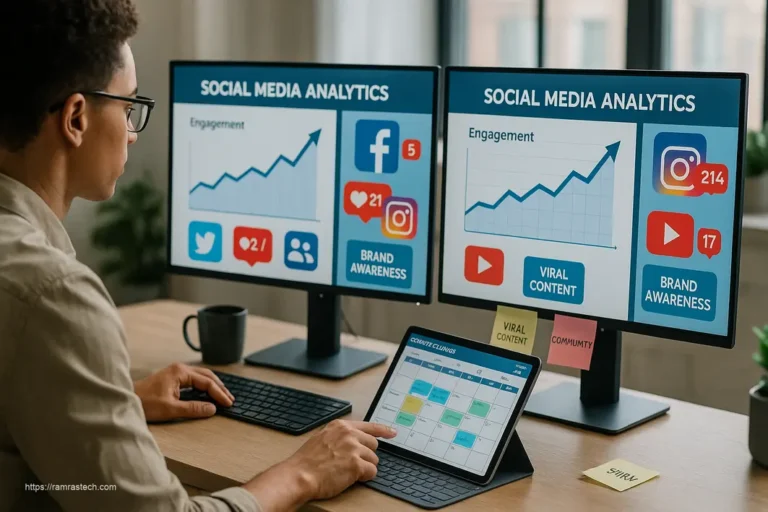
In the AI-powered landscape of 2026, intuition alone isn’t enough to drive social media success. The most effective social media marketing techniques are now deeply rooted in sophisticated analytics that reveal not just what’s happening, but why it’s happening—and what to do about it.
Moving Beyond Vanity Metrics
Forward-thinking brands have graduated from chasing likes and followers to tracking metrics that actually indicate business impact:
- Content save rates (indicating high value to users)
- Video retention curves (showing exactly where interest drops)
- Conversation drivers (topics generating authentic discussion)
- Path-to-purchase analytics (tracking the journey from social engagement to conversion)
- Cross-platform attribution (understanding the combined impact of multiple touchpoints)
“The analytics revolution in social media isn’t about having more data—it’s about having more meaningful data,” explains digital analytics expert Sarah Johnson. “In 2026, we’re seeing a clear correlation between brands that leverage advanced analytics and those achieving superior ROI from their social investments.”
Implementing Analytics-Driven Social Strategies
To leverage this social media marketing technique effectively:
-
Establish Clear Attribution Models: Define exactly how you’ll measure social media’s contribution to business objectives, using multi-touch attribution where possible.
-
Adopt Modular Creative Testing: Rather than testing entire campaigns, use analytics to test specific elements (hooks, CTAs, visuals) to identify precisely what drives performance.
-
Build Platform-Specific Benchmarks: Each platform has unique engagement patterns—what constitutes “good performance” on TikTok may be entirely different from LinkedIn.
-
Create Cross-Functional Analytics Dashboards: Share relevant insights with teams beyond marketing—product development, customer service, and sales all benefit from social intelligence.
Outdoor retailer REI exemplifies this approach, using social analytics to identify which product categories drive highest engagement by region, then adjusting both their content and inventory strategies accordingly—resulting in 28% higher conversion rates from social traffic.
For deeper insights, consider integrating your social analytics with Google Analytics to get a more complete picture of how social media influences your overall digital performance.
6. Future Trends and Innovations in Social Media Marketing
As we look toward the horizon of social media marketing techniques, several emerging trends are set to reshape how brands connect with audiences in 2026 and beyond.
Social Commerce Revolution
By 2026, the line between social browsing and shopping has all but disappeared. Platform-native purchasing has evolved from basic “buy buttons” to immersive shopping experiences:
- Live shopping events now account for 19% of e-commerce transactions in certain categories
- AR-powered virtual try-ons have become standard in fashion and beauty
- User-generated content directly links to purchasable products
- AI personal shoppers curate recommendations based on engagement history
“Social commerce isn’t just another sales channel—it’s transforming the entire customer journey,” notes e-commerce expert Michael Zhang. “The traditional funnel has collapsed, with discovery and purchase often happening simultaneously.”
The Rise of Social Search
Perhaps the most significant shift in user behavior is the growing preference for searching directly on social platforms rather than traditional search engines:
- 68% of Gen Z users now start product searches on social platforms rather than Google
- TikTok has become the go-to search engine for how-to content and recommendations
- Social platforms are prioritizing search functionality with enhanced filters and results
This shift demands that brands optimize social content for searchability—incorporating keywords in captions, spoken dialogue, and even visual elements.
Micro-Communities and Focused Engagement
As mass-market platforms become increasingly crowded, brands are finding greater success building deeper connections in smaller, more focused spaces:
- Platform-specific community features like Instagram Broadcast Channels
- Dedicated apps and spaces like Discord servers and Slack communities
- Private membership areas with exclusive content and direct access
“The future belongs to brands that own their communities, not just rent attention on public platforms,” emphasizes community building expert Priya Patel. “Building direct relationships with your audience provides resilience against algorithm changes and platform shifts.”
Preparing for the Future
To stay ahead of these evolving social media marketing techniques:
-
Build Platform Redundancy: Ensure your social strategy isn’t overly dependent on any single platform by diversifying your presence.
-
Own Your Audience Connections: Develop first-party data through email lists, SMS programs, and owned communities.
-
Experiment with Emerging Platforms: Allocate 10-15% of your social budget to testing new platforms and features before they reach mass adoption.
-
Invest in AR Capabilities: As augmented reality becomes standard for product discovery, brands with well-developed AR assets will have a significant advantage.
To stay competitive in this rapidly changing landscape, consider investing in affordable digital marketing approaches that maximize your ROI while allowing for experimentation with emerging techniques.
Implementing These Social Media Marketing Techniques: Your Action Plan
With so many powerful social media marketing techniques to choose from, how do you prioritize and implement effectively? Here’s a strategic approach to transform these insights into action:
1. Audit Your Current Performance
Before implementing new techniques, thoroughly assess your current social presence:
- Which platforms drive meaningful business results?
- What content formats generate highest engagement?
- How does your performance compare to competitors?
- Where are the gaps in your current strategy?
2. Align Techniques with Business Objectives
Not every technique will align with your specific goals. Prioritize based on your primary objectives:
- Building brand awareness? Focus on captivating content creation and influencer partnerships
- Driving conversions? Prioritize social commerce and interactive experiences
- Improving customer retention? Emphasize community building and social listening
3. Start with Quick Wins
Identify techniques that can deliver immediate impact with minimal resource investment:
- Enhance existing content with interactive elements
- Implement basic social listening for your brand mentions
- Test micro-influencer partnerships on a small scale
- Update your analytics tracking to capture more meaningful metrics
4. Build Your Long-Term Roadmap
More complex techniques require systematic implementation:
- Quarter 1: Implement enhanced analytics and establish benchmarks
- Quarter 2: Develop and test your AR/interactive content strategy
- Quarter 3: Build out influencer program and community features
- Quarter 4: Integrate social commerce and optimize for social search
5. Measure, Learn, and Adapt
The most successful social media strategies are never static:
- Establish clear KPIs for each technique implemented
- Create regular review cycles to assess performance
- Be willing to pivot quickly when data indicates underperformance
- Allocate resources to continuous learning and experimentation
By thoughtfully implementing these social media marketing techniques with a focus on both immediate results and long-term growth, you’ll build a social presence that drives meaningful business results well beyond 2026.
Frequently Asked Questions About Social Media Marketing Techniques
What is the most effective social media platform for B2B marketing in 2026?
LinkedIn remains the dominant platform for B2B marketing, with 79% of B2B marketers rating it as their most effective channel. However, the landscape has evolved with TikTok and Instagram playing increasingly important roles for thought leadership and brand personality. The most successful B2B brands now maintain a strategic presence across multiple platforms, using LinkedIn for direct lead generation and other platforms for brand awareness and talent recruitment.
How often should businesses post on social media in 2026?
Quality now definitively trumps quantity. Most successful brands post 3-5 times weekly on primary platforms with highly crafted content rather than daily with lower quality. The exception is for time-sensitive platforms like TikTok and Instagram Stories, where daily posts maintain algorithm visibility. The focus has shifted from posting frequency to engagement frequency—consistently responding to comments and participating in conversations proves more valuable than simply publishing content.
What’s the ideal video length for social media in 2026?
Optimal video length varies significantly by platform and purpose:
- TikTok/Instagram Reels: 15-30 seconds for awareness, up to 3 minutes for education
- YouTube: 7-15 minutes for informational content, 3-5 minutes for brand stories
- LinkedIn: 30-90 seconds for highest completion rates
The most effective approach is creating modular content—filming longer segments that can be edited into platform-specific lengths while maintaining narrative coherence.
How can small businesses compete with larger brands on social media?
Small businesses actually have several advantages in the 2026 social landscape. Authenticity and personality now outperform polished corporate content on most platforms. Small businesses can compete effectively by:
- Showcasing behind-the-scenes content and real people
- Responding personally to comments and messages
- Creating localized, community-specific content
- Partnering with micro-influencers in their niche
- Moving quickly on platform features and trends without corporate approval processes
What budget should companies allocate to social media marketing in 2026?
Companies now allocate 15-25% of their total marketing budget to social media, with the most effective split being 60% to content creation, 25% to paid amplification, and 15% to analytics and listening tools. However, budget allocation varies significantly by industry and objective. Direct-to-consumer brands often invest 30-40% in social, while B2B services might allocate 10-15%. The focus has shifted from pure ad spend to investing in creative production quality and community management resources.
Social media marketing techniques continue to evolve at breakneck speed, but the fundamental principles remain constant: create authentic connections, provide genuine value, and thoughtfully measure what matters. By embracing these six powerful techniques, you’ll be well-positioned to not just keep pace with changes, but to lead the way in your industry.
Remember that social media success doesn’t exist in isolation—it works best as part of a comprehensive digital marketing masterclass approach that integrates all your channels and touchpoints into a seamless customer experience.